

Latest Sermons
Defending Our Position - The Sabbath
Before discussing the Sabbath with others, believers must first establish common ground that Scripture is the inspired Word of God, contains no contradictions, and that every religious practice must be proven from it. The New Testament writers repeatedly affirm the authority of the Old Testament writings, which alone were available when those statements were made, thereby confirming the ongoing relevance of the Sabbath command. Practical evidence—calendars, linguistic roots of the word for Saturday in many languages, and the unbroken Jewish observance—further demonstrates that the seventh day remains the true Sabbath.
History of the Sabbath
God established the seventh-day Sabbath at creation in Genesis 2, blessed and sanctified it, and later confirmed it repeatedly as a holy day of rest and a sign between Himself and His people. From Abraham’s obedience through the manna test in the wilderness to the Ten Commandments written by God’s own finger, Scripture consistently defines the Sabbath as the seventh day for all mankind. The history of Israel’s neglect of this command and the subsequent consequences underscore that faithful observance remains vital for spiritual blessing and relationship with God.
Sons of God
The phrase “sons of God” appears first in Genesis 6 referring to men who presumptuously took God’s name upon themselves, and later to angels as created beings, yet Scripture clearly distinguishes Jesus Christ as the begotten Son who is far superior to the angels. Through repentance, baptism, and the Holy Spirit, God grants believers the right to become children of God and joint-heirs with Christ. Understanding this high calling motivates the Church to live as true sons and daughters who will one day be born into the God family.
Do Not Grow Weary in Doing Good
Galatians 6:9–10 exhorts believers not to grow weary while doing good, for in due season they will reap if they do not lose heart, and to do good especially to the household of faith. The examples of Nehemiah rebuilding Jerusalem’s walls amid opposition and Ruth’s loyal service show that persistent obedience, even when unappreciated, produces both character and eventual reward. God sees every act of faithfulness and will openly reward those who continue doing good, transforming them into the likeness of Christ.

Saved - Why It Is Important
Scripture presents salvation as a lifelong process with clear prerequisites: belief and baptism, entering through Christ the Door, calling upon His name, justification by His blood, belief in the resurrection, and a genuine love of the truth. Only those who endure to the end will be saved, because flesh and blood cannot inherit the Kingdom and salvation can be forfeited through willful sin after receiving the knowledge of the truth. Understanding this process is vital so that believers neither presume they are already saved nor grow careless, but instead remain faithful until the end.
Seven Things God Hates
Proverbs 6 lists seven things that are an abomination to God: a proud look, a lying tongue, hands that shed innocent blood, a heart that devises wicked plans, feet swift to run to evil, a false witness, and one who sows discord among brethren. These sins, rooted in pride and self-exaltation, harm relationships and directly oppose the unity God desires for His people. Believers must therefore hate what God hates, cultivate the opposite virtues of humility, honesty, and peacemaking, and refuse to become instruments of division.
Unity - Why It Is Important
Unity among believers is essential because the world is increasingly divided by fear-driven, self-centered belief systems that breed hostility, while God’s way is rooted in outgoing concern for others. Scripture instructs that when a brother sins, the matter must be handled privately first, then with witnesses, and only then before the church, avoiding meddling and gossip that destroy relationships. Believers are therefore called to adopt the mind of Christ—esteeming others above themselves—so that the Church remains one as the Father and Son are one.
Many are Called, but Few are Chosen
Jesus concludes the parable of the wedding feast with the sobering statement, “Many are called, but few are chosen,” warning that receiving the invitation is not enough. Those who accept the call must prepare by putting on the wedding garment of righteousness—the righteous acts of the saints—through the power of God’s Spirit. Failure to do so results in being cast into outer darkness, for it is a fearful thing to fall into the hands of the living God after having received the knowledge of the truth and the gift of His Spirit.
Satan’s Strategies
Satan is a cunning and relentless predator who walks about like a roaring lion seeking whom he may devour, actively targeting those who possess God’s truth. Drawing on Paul Harvey’s 1965 monologue “If I Were the Devil,” the sermon illustrates how Satan subverts churches, families, education, and media through lies, immorality, and worldly distractions. Believers must therefore remain sober and vigilant, arming themselves with prayer and God’s Word to stand firm against the devil’s schemes, knowing that greater is He who is in us than he who is in the world.
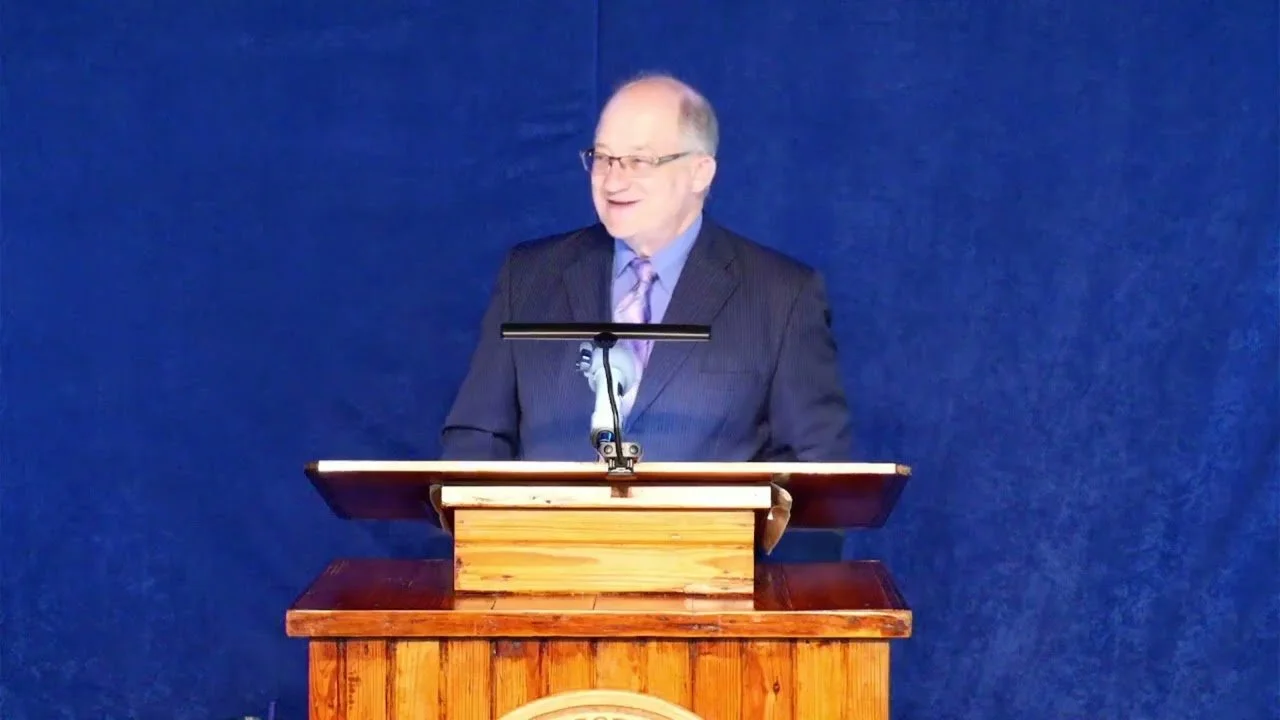
Pentecost: Command, History, and Meaning
On the Day of Pentecost in A.D. 31, the Holy Spirit was poured out with the sound of a mighty wind and tongues of fire, empowering the disciples to speak in many languages and proclaim the mighty works of God. This event fulfilled the prophecy of Joel and revealed the true spiritual meaning of the Feast of Weeks as the beginning of the harvest of firstfruits—those God is calling out of the world. Scripture commands that Pentecost be counted fifty days from the day after the weekly Sabbath during the Days of Unleavened Bread, always falling on a Sunday, as a celebration of both the physical and spiritual firstfruits.